The Manhattan Storefront Business Coalition 💪
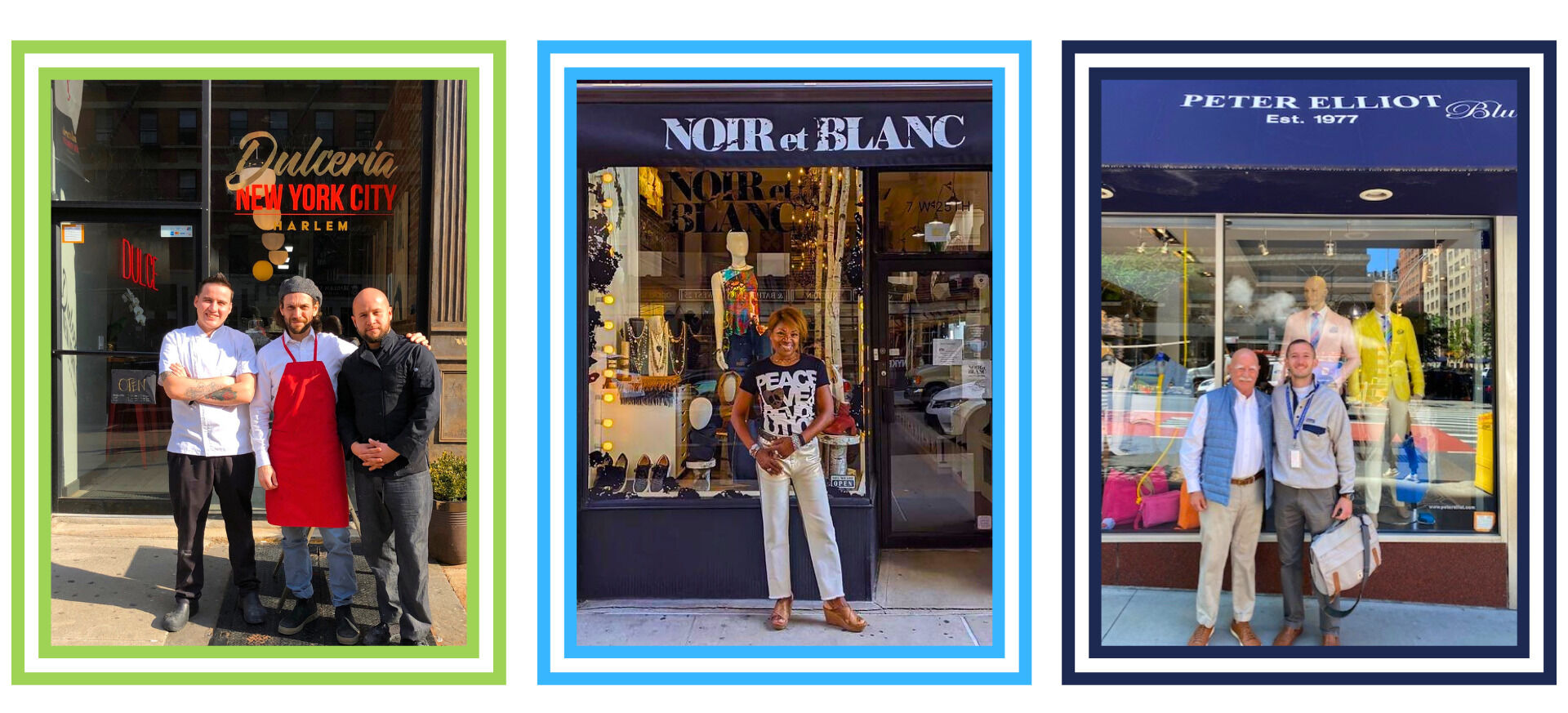
The Manhattan Storefront Business Coalition is the Manhattan Chamber of Commerce's dedicated advocacy arm for Manhattan's 37,000+ "brick-and-mortar" storefront merchants including restaurants, retail shops, gyms, barbershops, salons, and so many more. Co-chaired by Deborah Koenigsberger (owner of Noir et Blanc and Hearts of Gold) and Patrick Hall (owner of Élan Flowers), we are a unified front of local owners demanding a fair shake and a sustainable future.
We are proud to introduce The Main Street Deal—our unified platform to secure the future of brick-and-mortar businesses in New York City.
The Main Street Deal: A Unified Voice for Manhattan's Storefronts
We are the face of our neighborhoods. It's time we had a seat at the table.
Manhattan's storefronts are more than just businesses; we are the character of our communities, the eyes on the street, and the drivers of local employment. But rising costs, bureaucratic red tape, and safety concerns threaten the vibrancy of our commercial corridors.
Join the CoalitionThe Main Street Deal is our unified platform organized around five pillars: safe storefronts, fair leases, fair enforcement, affordable taxes, and economic accountability. The deal is simple:
"We [NYC's local storefront businesses] provide the character, jobs, and safety of the neighborhood, and the City provides a fair environment for us to survive."
Read the full Main Street Deal →
Safe Storefronts
A real plan for repeat offenders and visible safety on retail corridors — so small businesses aren't left to absorb the risk alone.
Neighborhood storefronts need proactive policing strategies, coordinated outreach, and accountability measures that target chronic offenders rather than burdening shop owners with the full cost of public-safety gaps.
Fair Leases + Less Vacancy
Predictable renewal notice and basic disclosures so businesses aren't blindsided, and long-term vacancies don't hollow out our neighborhoods.
Landlords should provide transparent lease terms, timely renewal windows, and clear communication — preventing the blight of empty storefronts that erodes foot traffic and community vitality block by block.
Fair Enforcement (Not a Fine Trap)
Warning + cure for first-time non-hazard issues, clear notices, and modern reminders — so compliance comes before punishment.
Small operators deserve the chance to correct minor violations before facing steep fines. Enforcement should educate first and penalize second, using digital notifications and reasonable cure periods.
Affordable Taxes + Fees
No new mandates without offsets or phase-ins for small storefronts — so Main Street can keep the doors open.
Every additional tax, surcharge, or regulatory fee compounds the cost of doing business. Policymakers must pair any new obligation with meaningful relief, graduated timelines, or exemptions scaled to storefront size and revenue.
Economic Accountability
Independent impact analysis before new mandates pass — so good intentions don't become neighborhood closures.
Legislation affecting storefronts should undergo rigorous, third-party economic review that quantifies the burden on small businesses, ensuring that well-meaning policy doesn't inadvertently shutter the very shops it aims to protect.
Coalition co-chairs Deborah Koenigsberger and Patrick Hall share why they're fighting for Manhattan's storefronts — and what's at stake if we don't act now.
Crain's New York Business · Op-Ed
To help small businesses, our leaders must listen first
To the newly elected officials for New York City: congratulations. You're assuming leadership at a time when our city — and its business community — is facing more than its fair share of challenges. In the face of inflation, the onset of unprecedented tariffs, and economic volatility.
We write not as lobbyists, not as CEOs of major corporations, but as storefront business owners who drive the local economy and employ thousands of workers across NYC. We're the people sweeping the sidewalk in the morning, signing paychecks at night, and trying to keep our doors open in between.
Here's what we want you to understand: small business owners are often praised in speeches as the "backbone of the economy," but too often we are not listened to before new laws, regulations, and mandates are passed. We're busy running our businesses, managing our teams, and serving our customers; and unlike large corporations that have an abundance of lawyers and accountants on staff, we don't have the time or resources to advocate for ourselves.
Running a small storefront isn't just a business — it's a juggling act. We are the CEO, the HR manager, the bookkeeper, and the janitor all in one. When a new rule comes down from the Mayor's office or City Council, there's no compliance department to handle it. It's us, late at night, trying to decode regulations and paperwork, hoping we won't get hit with a fine that could wipe out our week's payroll, praying we don't get sued for not complying with a law we don't even know exists.
Our margins are thin, and our reality is fragile. During COVID, many of us were forced to close our doors while larger companies kept operating. We furloughed staff, survived on SBA loans, and did what we could to survive. For those of us who made it, we're facing rising rents, property taxes, and insurance costs as we struggle to repay the very loans that were meant to help us survive, but we have little or no access to the abatements, subsidies, and incentive programs that big businesses rely on.
We don't oppose regulation; we simply ask that you consider us before you legislate. A one-size-fits-all rule that makes sense for a Midtown bank branch can be impossible for a 500-square-foot neighborhood pizza shop. When storefronts close — as they do across Lower Manhattan, where vacancy rates now hover above 20% — our city doesn't just lose businesses. It loses the eyes on the street, the character of our neighborhoods, the very fabric of community life.
So as you prepare to take on your new roles in January, here's what we'd ask you to consider:
We don't want special treatment. We just want a city that values the contributions of its small storefronts as much as it values its largest developments.
New York is defined by grit, hustle, resilience, and creativity — and no one embodies that more than its small business owners. We're not asking you to save us. We're asking you to finally see us, hear us, and build policies with us, not just around us.
Patrick Hall and Deborah Koenigsberger are co-chairs of the Manhattan Chamber of Commerce's Storefront Business Coalition.
Read on Crain's New York Business →We, the undersigned neighborhood storefront businesses, are organizing around this Deal and asking City Hall to sign onto these standards.
By signing, you agree to:
What happens next?
Once you sign up, you can display the "Proud Supporter" decal in your window to show your neighborhood that you are fighting for Main Street. We will also provide you with a digital asset kit to share the agenda with your customers and community.
Questions? Contact the Coalition at info@manhattancc.org
Use our template to contact your City Council member and let them know you stand behind the Main Street Deal. A unified voice from local business owners is the most powerful tool we have.
EMAIL YOUR COUNCIL MEMBERYour contribution helps fund research, outreach, and advocacy that directly benefits Manhattan's storefront businesses. Every dollar strengthens the coalition's ability to fight for fair policies.
DONATE TO THE CHAMBER'S PAC